

Learning beyond the classroom
At Sacred Heart, we believe that the outdoors is a place to learn, play, reflect and grow. Our Outdoor Learning Environment gives children opportunities to experience the natural world first-hand and make meaningful connections with their learning.
Outdoor learning is woven into school life. Children can investigate, ask questions, work together and put their ideas into practice. Whether they are observing a minibeast, telling a story, measuring natural materials or caring for a growing plant, they are developing knowledge and skills that reach across the curriculum.
We want children to know that learning can happen everywhere. Our outdoor spaces provide another classroom: one that changes with the seasons and invites curiosity, imagination and discovery.

Why outdoor learning matters
Time outdoors gives children a different way to encounter ideas, one another and the environment. It can support learning, physical activity and emotional wellbeing while helping children develop a lasting relationship with nature.
Curiosity and discovery
Children can observe changes, investigate questions and experience the excitement of finding things out for themselves. Real experiences help make learning memorable and meaningful.
Confidence and wellbeing
Outdoor experiences give children space to move, play, explore and enjoy being in nature. As they try new activities, they can develop confidence, independence and resilience.
Connection and care
Working alongside others helps children practise cooperation and communication. Caring for living things encourages responsibility and respect for our common home.
Outdoor learning across the curriculum
The outdoor environment brings learning to life for children across the school. Activities are chosen to suit the children, their learning and the opportunities available in each space.
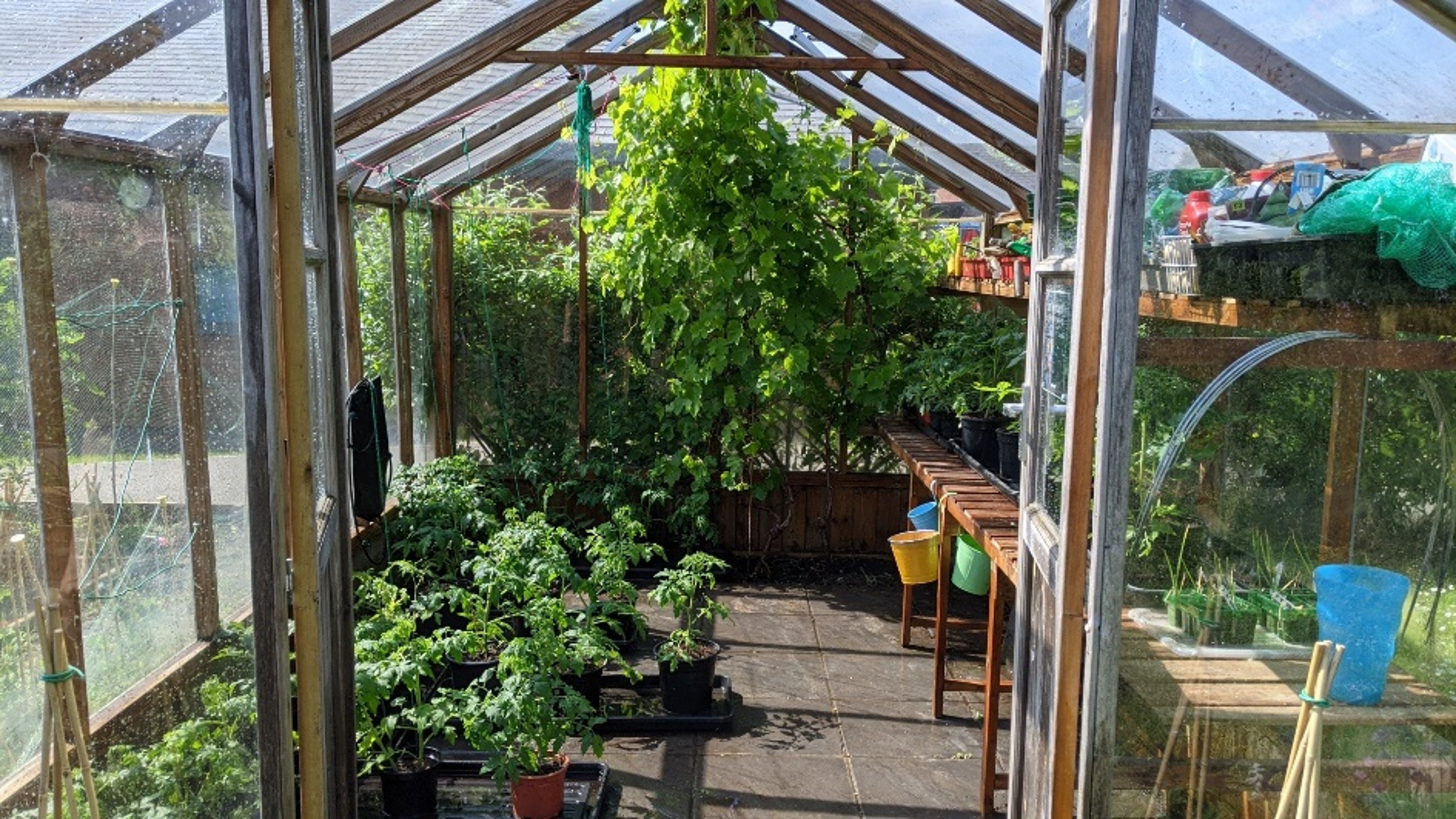
Growing, observing and exploring give children a reason to ask questions and talk about what they notice. A greenhouse, garden or outdoor classroom can become a starting point for learning about science, language, mathematics and the world around us.
For our youngest children, outdoor play offers rich opportunities to talk, imagine, move and explore. As children grow, they can develop their ideas and skills through increasingly thoughtful questions, practical challenges and shared projects.
Learning through real experiences
- Science: observing plants, animals, habitats, materials and seasonal change.
- English: sharing stories, building vocabulary, describing experiences and finding inspiration for writing.
- Mathematics: counting, measuring, comparing, recognising patterns and solving practical problems.
- Art and creativity: exploring colour, texture, shape and natural materials.
Learning together
- Physical development: moving, balancing, building coordination and developing practical skills.
- Personal and social development: listening, cooperating, making choices and responding to challenges.
- Religious education: reflecting on the beauty of creation and our responsibility to care for it.
- Environmental understanding: noticing how our choices affect living things and the world around us.
Forest School
Forest School is a regular, long-term approach to learning in a natural environment. It places children at the heart of their learning and gives them time to explore, make choices and develop their interests.
Through practical experiences and play, children can build confidence, self-esteem, independence and resilience. They learn to work with others, communicate their ideas and care for the natural world.
Sessions may take place in small groups and are supported by qualified Forest School practitioners. Children are encouraged to meet appropriate challenges with guidance, developing an understanding of how to keep themselves and others safe.
What might children do?
Activities vary according to the children, the season and the learning taking place. They can include:
- Woodland walks and nature trails.
- Looking for minibeasts and exploring habitats.
- Making nature crowns, art and clay creatures.
- Building shelters and creating homes for toys.
- Sharing stories and making music outdoors.
- Scavenger hunts and imaginative play.
- Weaving, construction and woodland crafts.
- Practical activities such as cooking or using tools.
Activities involving tools or fire are carefully planned, risk assessed and supervised by adults.
Spaces to explore
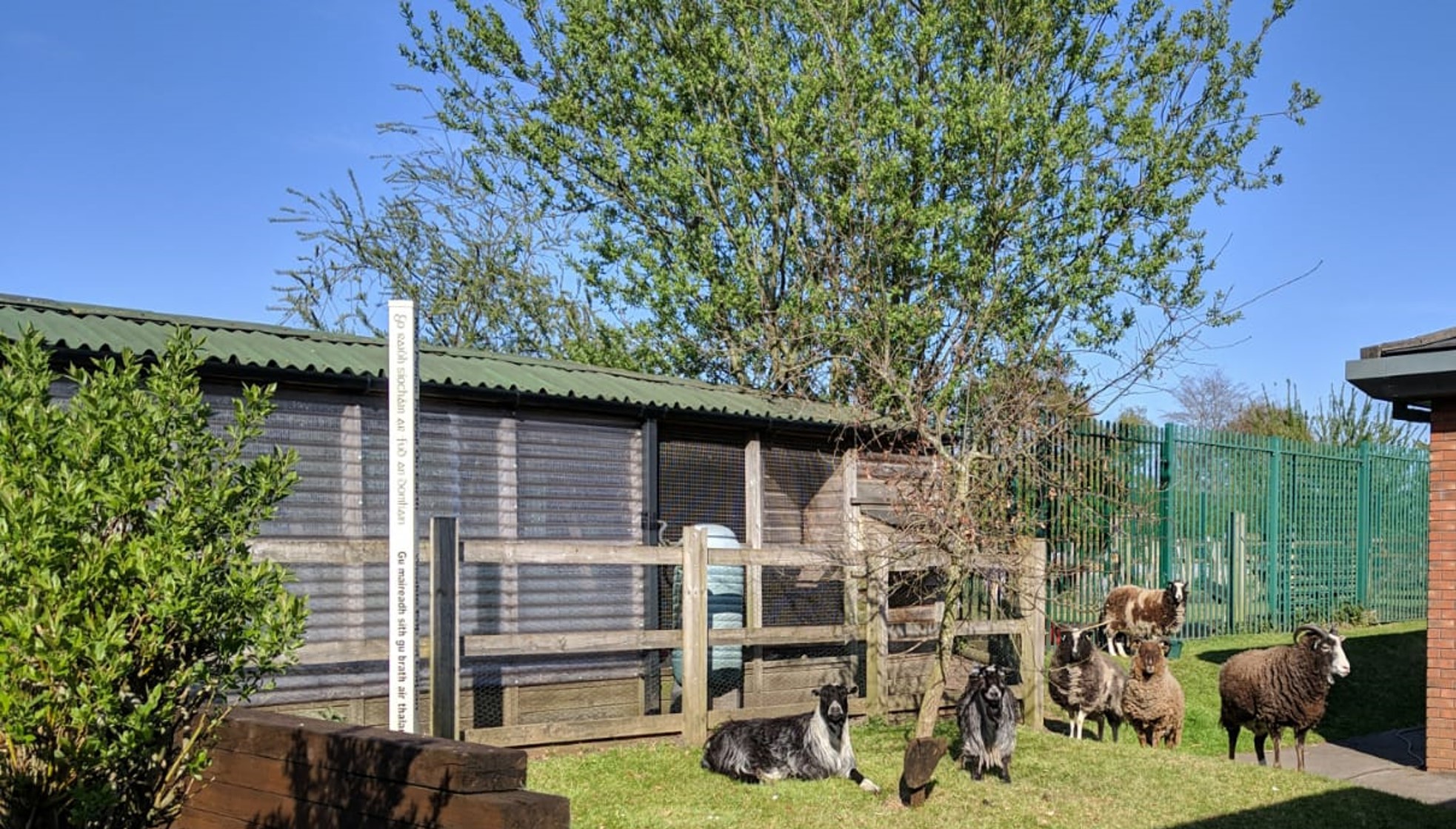
Our outdoor environment offers children places to learn, play and spend time together throughout the school day. Different areas support different kinds of activity, from imaginative play and practical investigation to growing and caring for living things.
Being outdoors can also offer time to pause, notice the world around us and enjoy the company of others. These experiences contribute to a school day in which learning, relationships and wellbeing belong together.
Outdoor classrooms
Our outdoor spaces are learning spaces, used by children across the school. They give teachers and children opportunities to take learning beyond the classroom and experience the changing seasons.
The GOAL
The GOAL—our Garden for Outdoor Activity-based Learning—has supported outdoor learning for Key Stage 1. It reflects our belief that outdoor spaces are classrooms to be valued and cared for.
Room2Grow and our urban farm
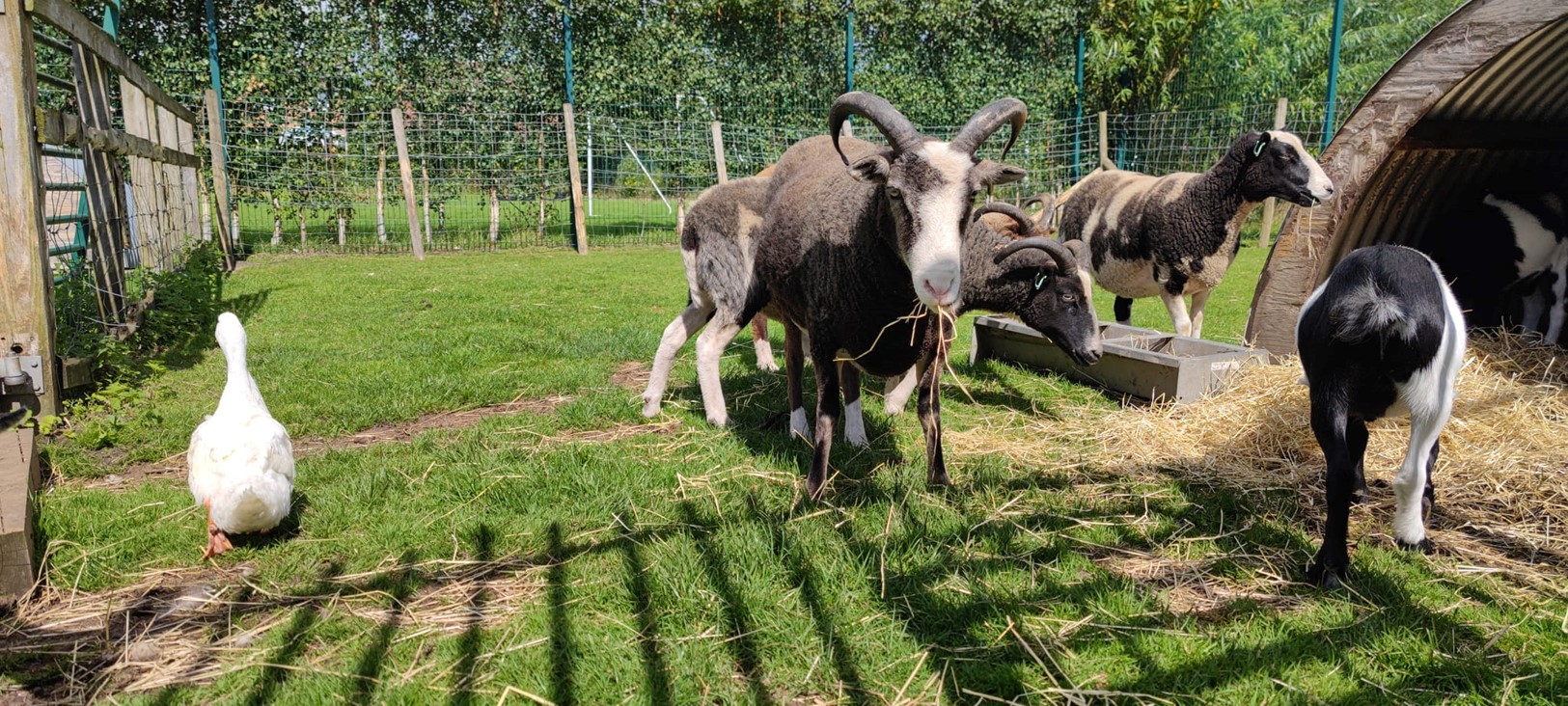
Our urban farm is another part of our wider outdoor learning environment. It creates opportunities to connect with growing, food, animals, nature and one another.
The space is also used as part of our Lunch Lounge provision, offering children a place to spend time together and support their wellbeing.
Discover more about this special part of school life on our urban farm page .
Stewards of creation
As a Catholic school, caring for creation is part of how we live out our faith. We want children to appreciate the beauty of our world and understand that each of us has a part to play in looking after it.
Outdoor learning helps children see that care for our common home begins with everyday actions. Through encounters with plants, animals and the changing seasons, children can develop a sense of wonder and responsibility.
Grow and live well
Explore where food comes from, enjoy growing and make time to be active.
Use resources wisely
Reduce waste, reuse and recycle, and turn things off when they are not needed.
Care for living things
Help to look after habitats and wildlife, and treat plants and animals with respect.
Laudato Si’: caring for our common home
Pope Francis’ message in Laudato Si’ invites us to reflect on our relationship with the earth and with one another. It encourages us to care for creation and to recognise that the wellbeing of people and the planet are connected.
This CAFOD animation introduces the message in a way that families can explore together.
If the film does not appear, use the button to watch it on YouTube.
Explore our outdoor learning presentation
Our presentation shares more about the development of outdoor learning at Sacred Heart and the thinking behind our learning environment.
If the presentation does not appear, you can open the outdoor learning presentation in a new tab.
Research and development
Our commitment to outdoor learning has developed over time. The following documents share earlier research into outdoor learning at Sacred Heart.
Outdoor learning research project report
A report from June 2016 exploring outdoor learning as part of our school’s development.
Read the research project report (PDF)Outdoor learning impact
A document from June 2016 considering the impact of outdoor learning.
Read the outdoor learning impact document (PDF)Our outdoor learning team
Outdoor Learning Leader:
Mr M Johnson
Forest School practitioners:
Mr C Simpson
Miss C Lindsay
Our staff work together to create experiences that help children enjoy, explore and learn in the outdoors.
Follow the journey
Our outdoor learning environment continues to grow with our school community. Follow our Facebook page to see more of the experiences, learning and celebrations we share.